Technological innovation drives industrial upgrading, medical non-woven fabric industry welcomes a golden period of high-quality development
The global medical nonwoven industry is experiencing robust growth, marked by continuous technological innovation breakthroughs, accelerated green transformation, and steady expansion of market demand. Chinese enterprises, leveraging their independent research and development capabilities, are gradually emerging as leaders, driving the industry's transformation from "scale expansion" to "quality improvement". Medical nonwoven fabrics are becoming the core material support for safeguarding public health security and empowering the upgrading of the medical and health industry.
Data shows that the global medical nonwoven market is expected to reach $18.5 billion in 2025, representing a 10.1% increase from 2024. The Chinese market will account for $4.28 billion, representing 23.1% of the global share and a growth rate of 13.8%, significantly higher than the global average. In terms of application structure, hospital operating room supplies, medical protective gear, and wound care dressings have become core demand segments. Among them, the demand for medical protective gear is growing the fastest, with a market size of $4.89 billion, representing a year-on-year increase of 15.6%. The Asia-Pacific region has become the fastest-growing regional market globally, while East China accounts for 38.7% of the domestic market share, becoming the core agglomeration area of the industry.
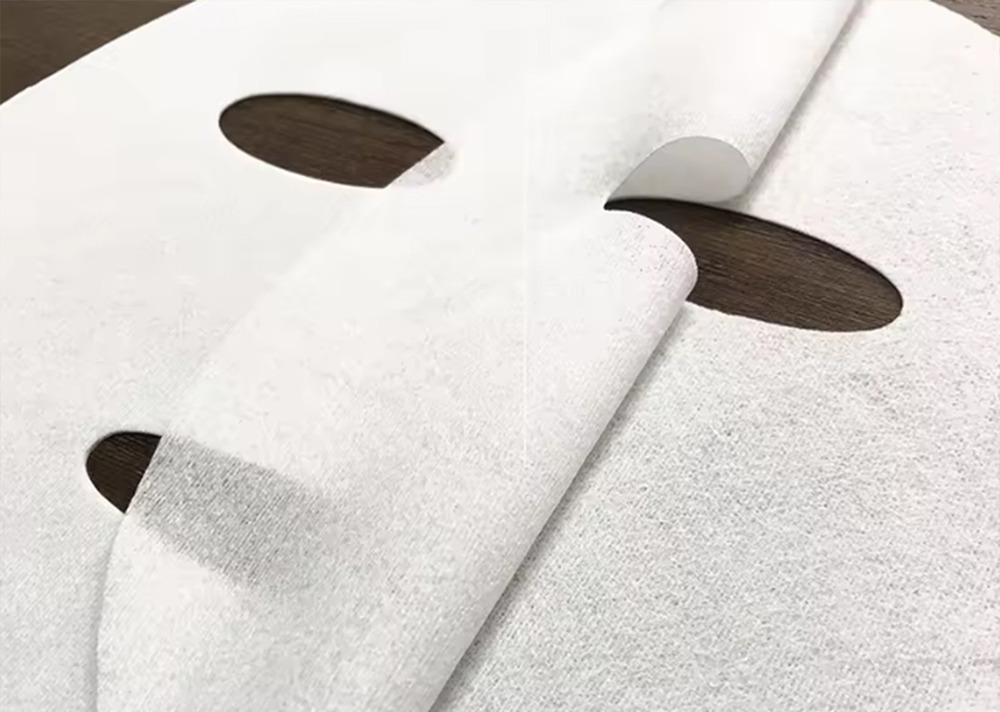
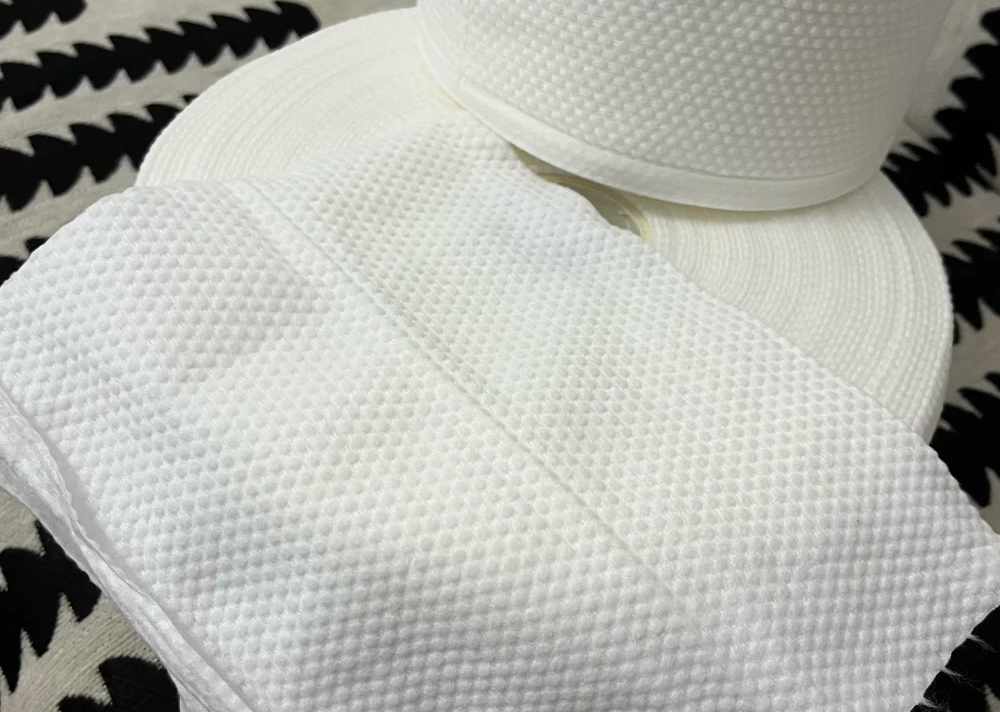
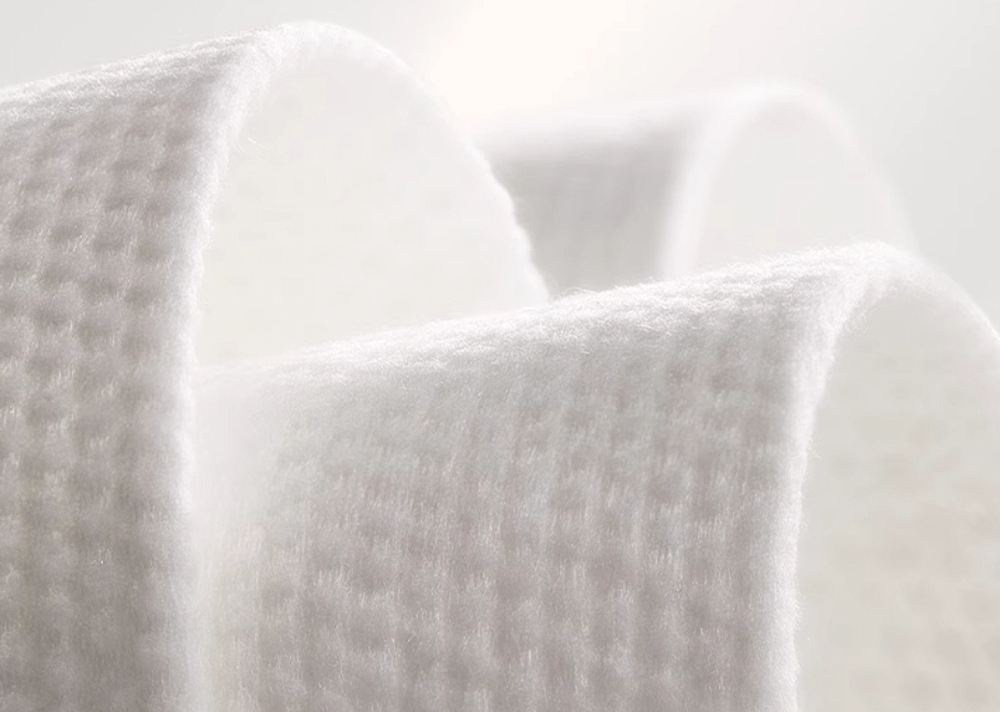
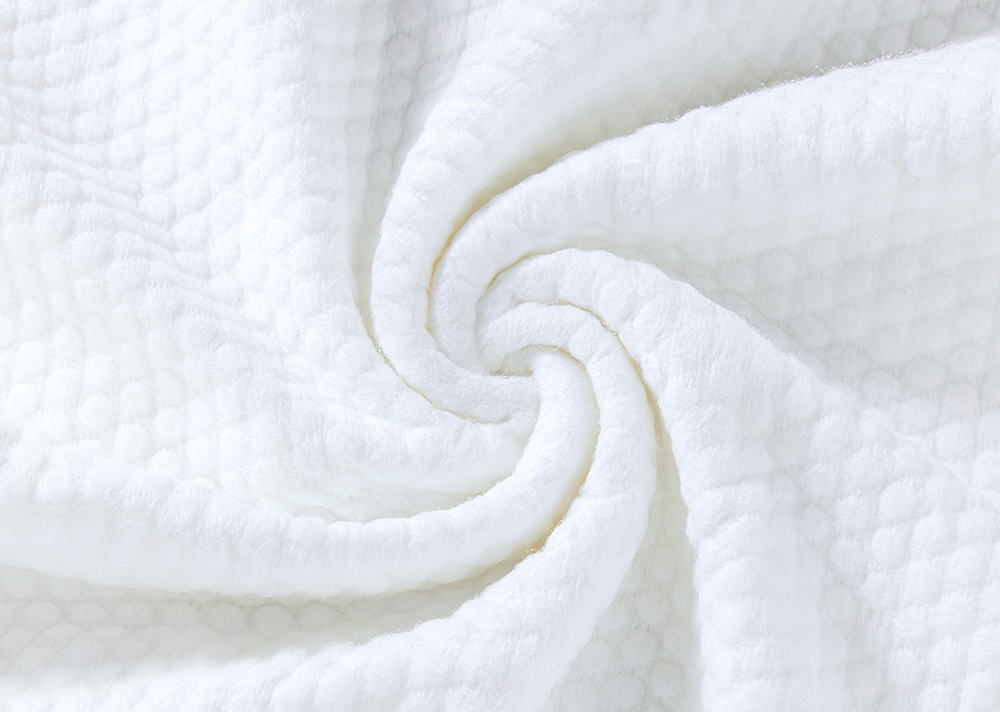
Technological innovation is the core driving force for industry development. Domestic and foreign enterprises continue to increase their R&D investment, and breakthroughs have been made in multiple key technologies. Domestically, the independently developed cotton spunlace nonwoven technology by Well-Tech Medical has ushered in its 20th anniversary. This technology has overcome the worldwide problem of traditional medical gauze yarn residue easily causing infection. By using high-pressure micro-fine water flow to entwine natural cotton fibers, the conversion from cotton to nonwoven can be completed in 2-3 hours. It retains the skin-friendly softness of cotton while also possessing excellent cleanliness and flexibility, and is hailed as "a great innovation in China's textile industry". Currently, this technology has been widely applied in medical products such as surgical gowns, protective clothing, and masks, driving the industrial transformation of "nonwoven replacing woven, and cotton replacing chemical fiber". Well-Tech Medical has invested 2 billion yuan to build the world's largest cotton spunlace nonwoven production base, with plans to achieve phase one production by 2028.
In the field of functional materials, domestic enterprises have also achieved significant breakthroughs. The "Key Technology for Manufacturing Graphene-Polypropylene Functional Nonwoven Fabric" jointly developed by Fangda Carbon and Lanzhou University has recently passed acceptance inspection. It successfully overcomes the compatibility issue between graphene and polypropylene, and the prepared composite nonwoven fabric exhibits excellent antibacterial and antiviral properties. The antibacterial rate against Escherichia coli and Staphylococcus aureus, as well as the antiviral activity rate against Influenza A virus (H3N2), both meet the preset standards, providing new material support for the medical protective field. Meanwhile, medical nonwoven fabric patches have also undergone three major innovations. The "breathable" design based on spunlace nonwoven fabric reduces the skin allergy rate from 12%-18% of traditional patches to below 3%. The dual-layer adhesive system achieves a balance between adhesiveness and gentleness, and the fiber drug storage microstructure enables more precise drug release, resulting in a clinical efficacy rate 27 percentage points higher than traditional patches.
In the international market, green environmental protection has emerged as a new trend in industry development, with the gradual promotion of PFAS (perfluorinated and polyfluoroalkyl substances)-free medical nonwoven fabric technology. Advanced material supplier Magnera has launched a new PFAS-free medical-grade nonwoven fabric solution. This solution not only meets the liquid repellent performance requirements for products such as surgical gowns and drapes, but also avoids environmental residues and health risks associated with PFAS, aligning with global regulatory trends. It is reported that the European Union is advancing a phased ban on PFAS, and several states in the United States have legislated to prohibit the use of PFAS in various consumer products. PFAS-free alternative technologies have become a new focus of market competition.
In terms of industrial layout, domestic enterprises in China have accelerated their rise. Leading companies such as Hengtian Jiahua, Zhejiang Nuobang, and Wenhui Medical have collectively occupied 45.3% of the domestic market share. At the same time, they are actively exploring the international market. In 2025, China's exports of nonwoven dressings increased by 24% year-on-year, and its share in the Southeast Asian market increased by 11 percentage points within three years. Looking at the development trend, degradable materials and intelligent monitoring products have become investment hotspots. In 2025, the production of polylactic acid (PLA)-based biodegradable nonwoven fabrics reached 124,000 tons, and the market share of biodegradable medical nonwoven fabrics increased to 15.6%. Intelligent manufacturing technology has been deeply integrated, with digital control system coverage reaching 68.4% and the application of artificial intelligence quality inspection systems accounting for 45.8%, effectively improving product quality stability.
Industry insiders indicate that the global medical nonwoven market will continue to grow steadily over the next five years. It is expected that the market size will exceed US$25 billion by 2029, with an average annual growth rate of around 8%. Technological innovation, functional development, and sustainability will become the main themes of the industry. Chinese enterprises need to continuously strengthen core technology research and development, optimize supply chain management, enhance international patent layout capabilities, and promote the transformation of the medical nonwoven industry towards high-end, green, and internationalization, contributing Chinese strength to the development of the global medical and healthcare industry.