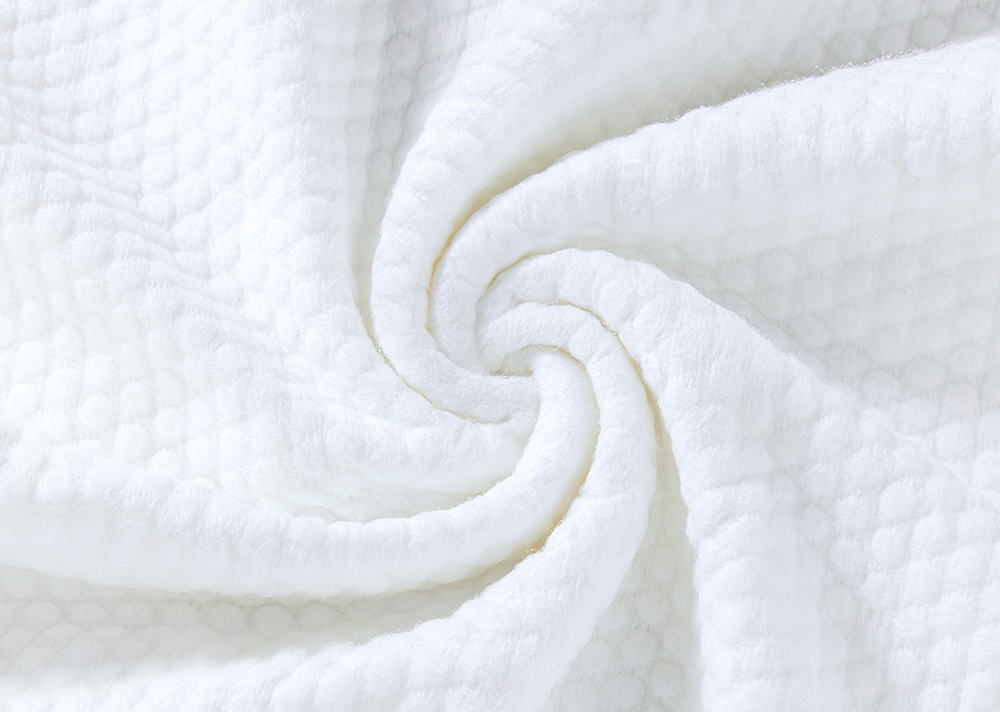
Green transformation accelerates technological iteration and upgrading, non-woven fabric industry moves towards a new stage of high-quality development
Since the beginning of 2026, China's non-woven fabric industry has been continuously bidding farewell to the old path of scale expansion under the guidance of the dual carbon target and the drive of diversified downstream demand. It has accelerated its transformation towards green, functional, and high-end industries, continuously optimized its industrial structure, and strengthened its market resilience.
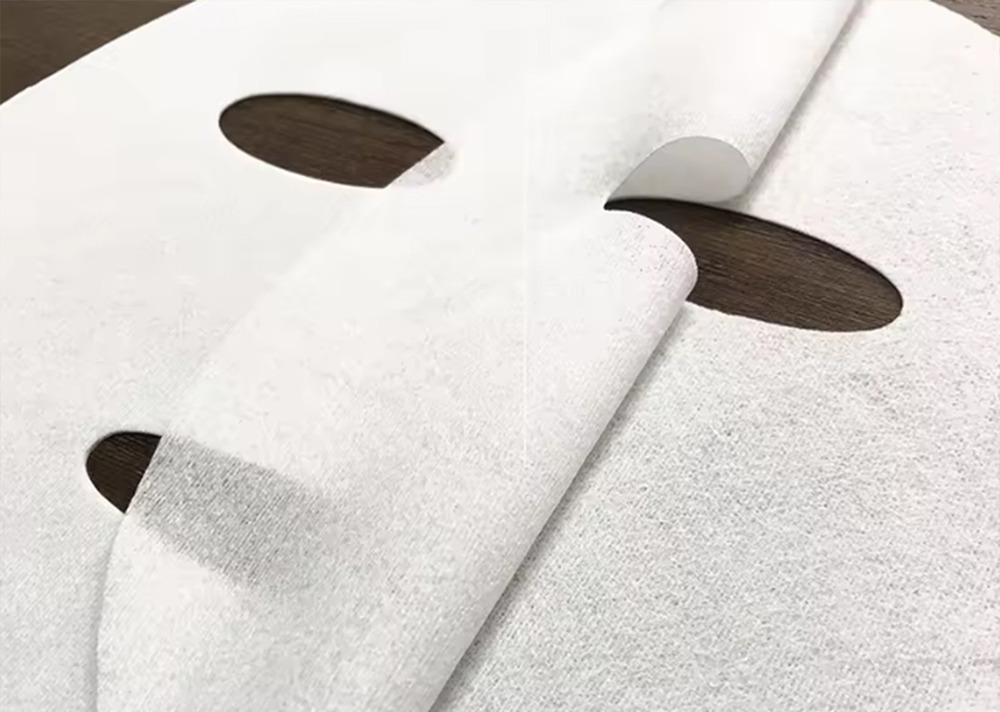
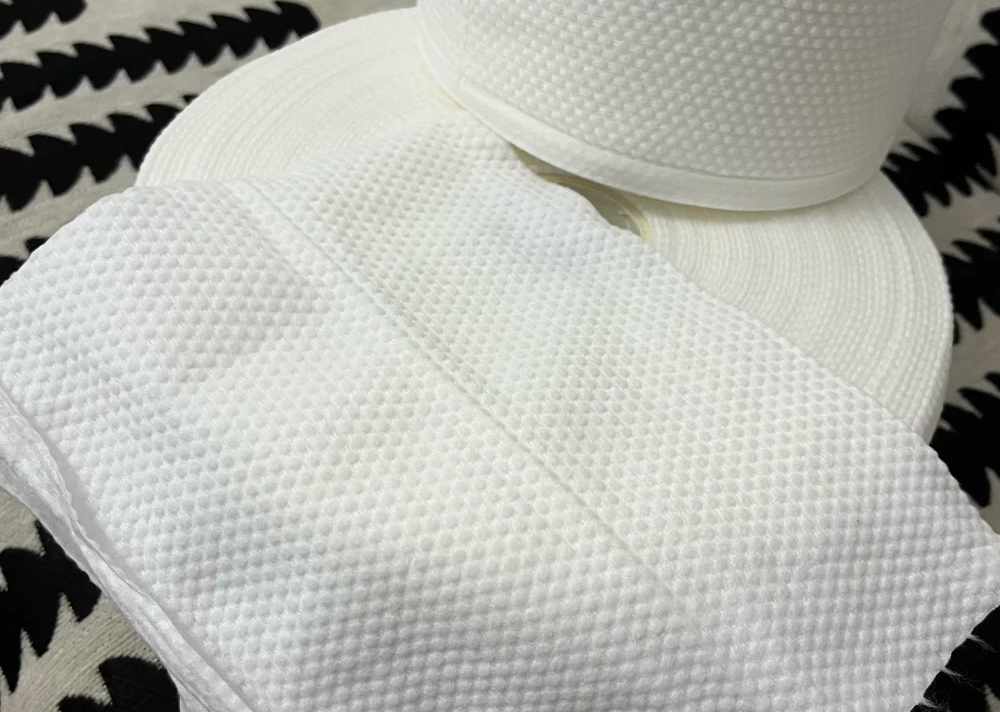
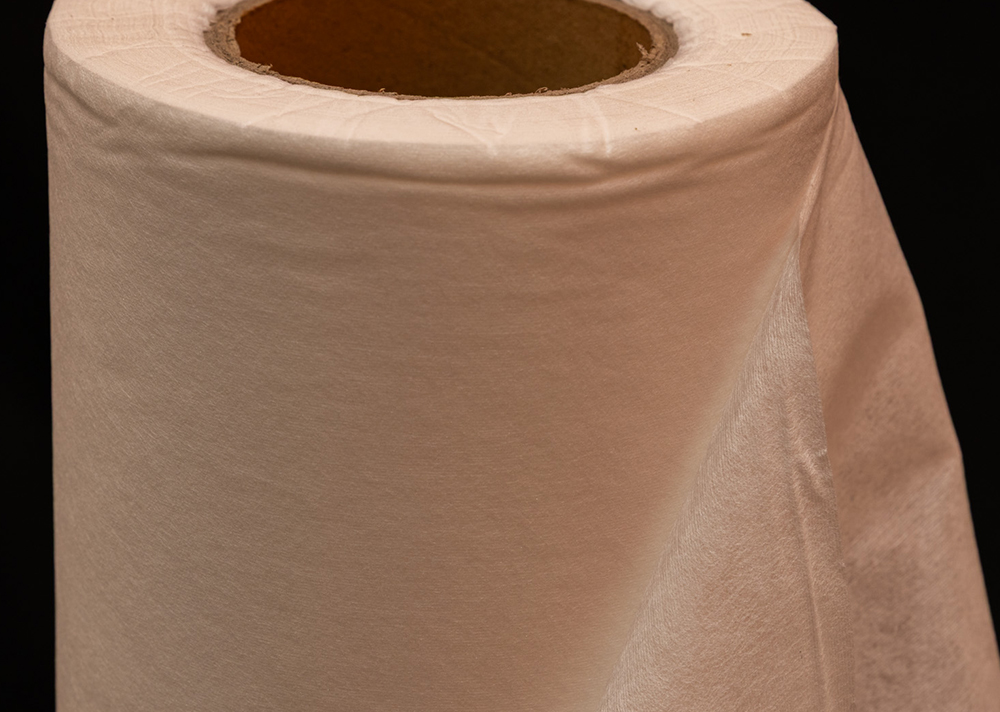
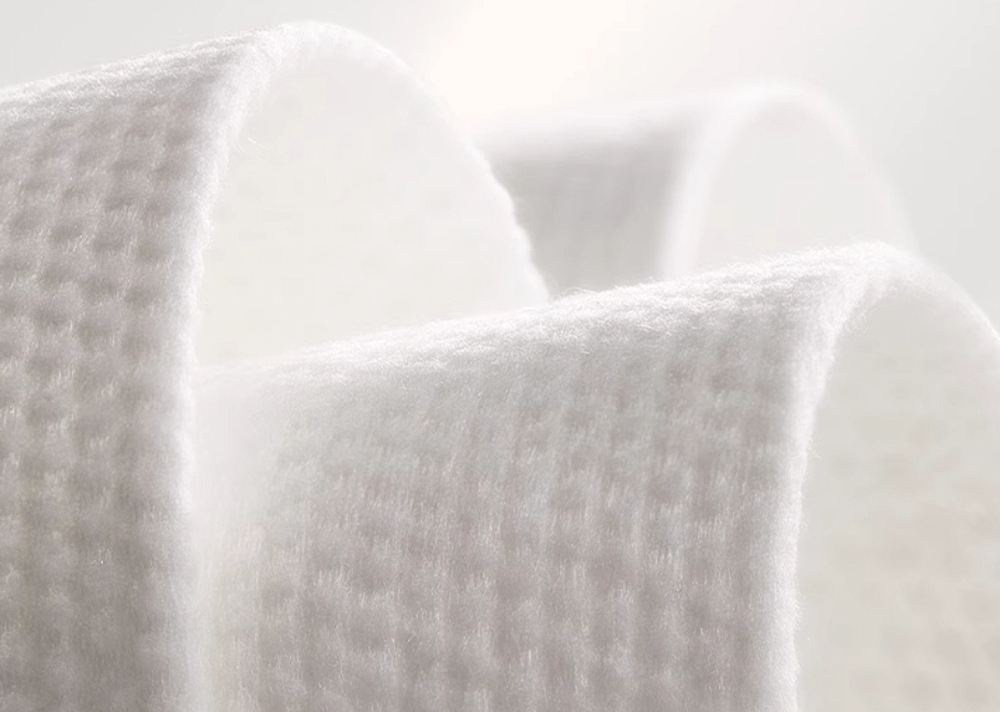
Non woven fabric, also known as non-woven fabric, does not require spinning or weaving. It is formed by bonding fibers through processes such as meltblown, spunbond, water jet, and needle punching. It has the characteristics of breathability, waterproofing, lightweight, environmental protection, and high production efficiency. It is widely used in medical and health care, personal care, automobile manufacturing, industrial filtration, home textiles, geotechnical building materials, and other fields. It is an indispensable basic new material in the modern industrial system.
Currently, there are three distinct trends in the development of the industry:
Green environmental protection has become the mainstream direction
The rapid popularization of fully biodegradable non-woven fabrics, recycled non-woven fabrics, and bio based fiber products can effectively replace traditional plastics and reduce white pollution. The fully biodegradable non-woven fabric technology jointly tackled by domestic universities and enterprises has achieved a breakthrough in industrialization. The product can be completely degraded into carbon dioxide and water in the natural environment, and has been applied in batch to facial mask, wet towel, environmental protection packaging and other scenes. It is expected that by 2026, the segmented market size of biodegradable non-woven fabrics in China will exceed 12 billion yuan, with an average annual growth rate of over 35%.
Technological innovation drives high-end breakthroughs
Technologies such as ultrafine fibers, nanocomposites, in-situ dyeing, and high-temperature resistant specialty non-woven fabrics continue to iterate, breaking foreign monopolies. The 4.2-meter wide high-speed production line and AI intelligent quality inspection system have been put into use, significantly improving production efficiency and product consistency; Basalt fiber non-woven fabric can withstand high temperatures of 1300 ℃, with a cost only one-third of traditional aramid fiber. It has broad application prospects in the fields of fire protection and high-temperature filtration; The proportion of functional non-woven fabrics continues to increase, and products such as antibacterial, flame-retardant, and high-efficiency low resistance filtration have become mainstream in the market.
Continuous expansion and expansion of application scenarios
Medical and healthcare are still the largest application areas, and the demand for medical water jet cloth and meltblown cloth is stable; The lightweighting of new energy vehicles has driven a rapid increase in demand for non-woven fabrics used in interior, sound insulation, and filtration, and the single vehicle usage is expected to exceed 22 kilograms; The demand for industrial filtration, geotechnical building materials, environmentally friendly packaging, agricultural coverage and other fields is steadily increasing, driving the industry to upgrade from general materials to high-performance specialized materials.
Industry insiders say that with stricter environmental policies, consumer upgrades, and the promotion of high-end manufacturing, the non-woven fabric industry is in a critical window period of improving quality and efficiency. In the future, enterprises will focus on technology research and development, green manufacturing, and brand building, eliminate outdated production capacity, optimize product structure, promote China's transition from a major producer of non-woven fabrics to an industrial powerhouse, and provide solid material support for the high-quality development of the manufacturing industry.