Technological innovation empowerment + green agriculture orientation: China’s agricultural nonwoven industry embarks on a new journey of high-quality development
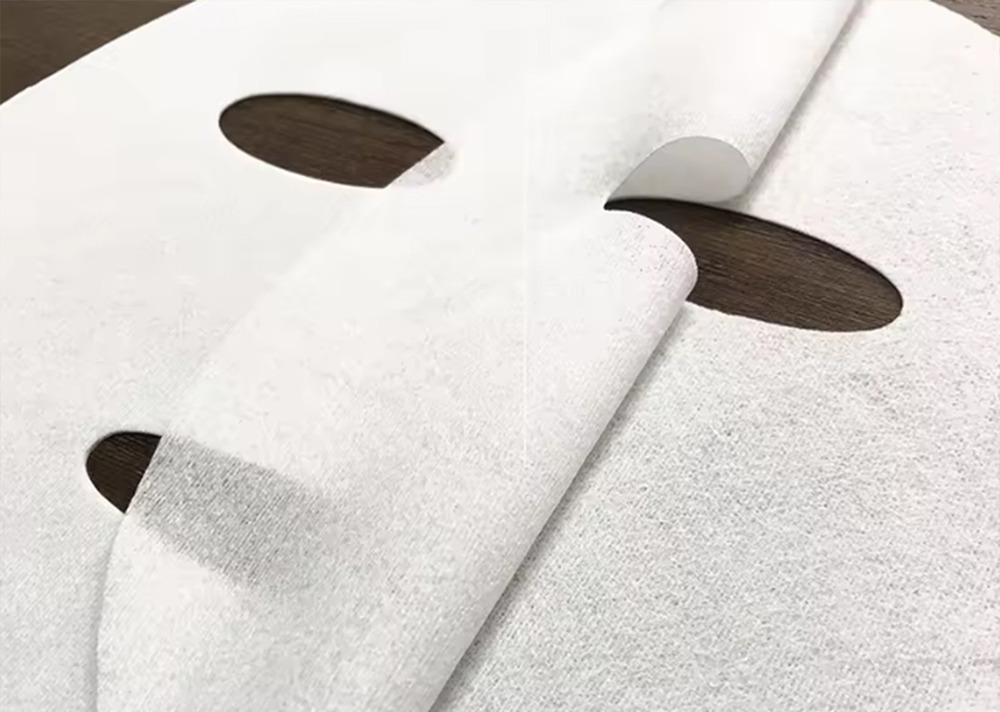
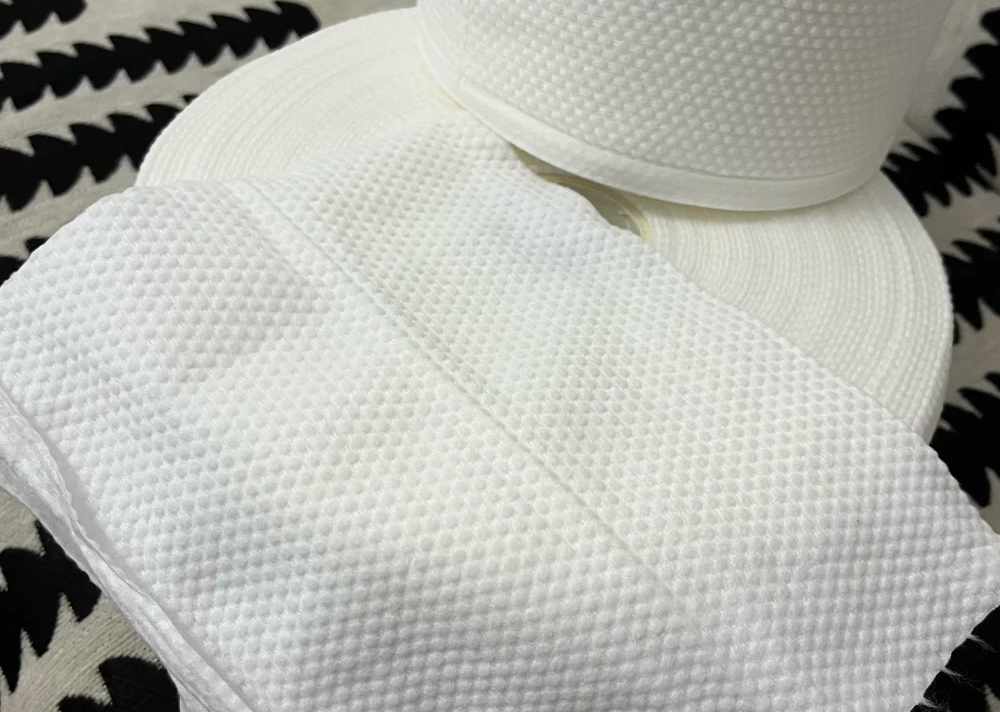
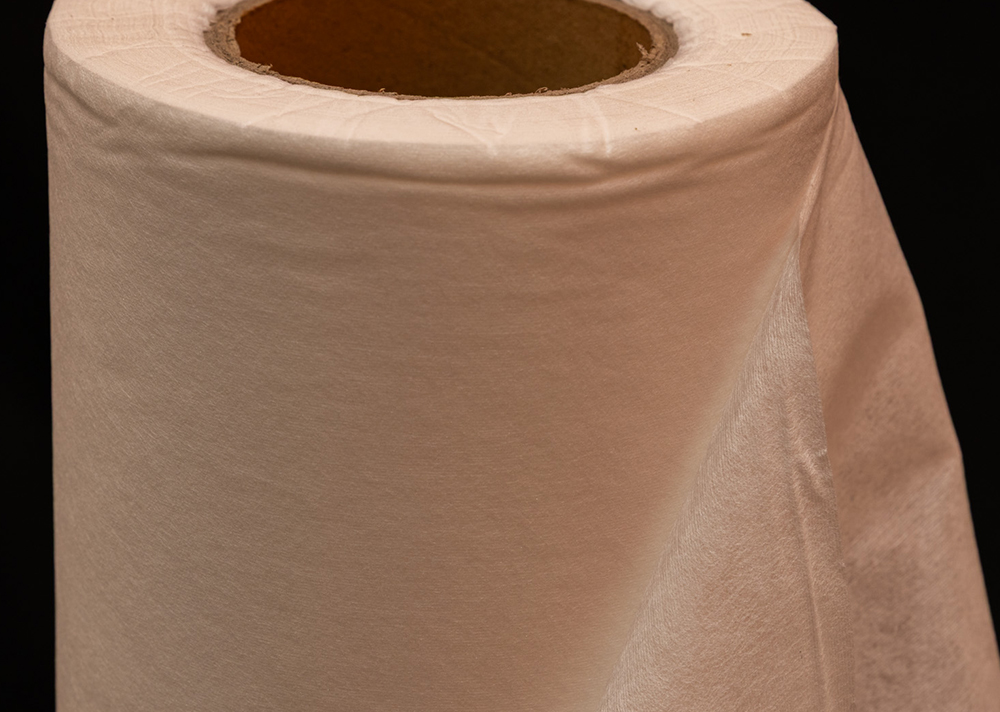
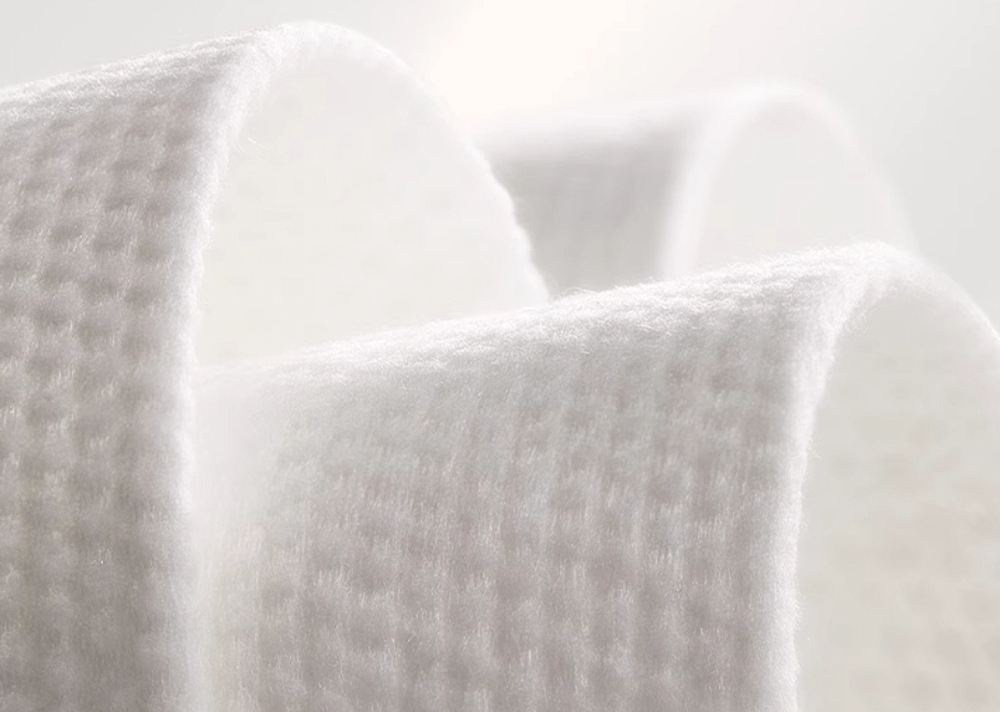
Under the synergistic promotion of cultivating new agricultural productive forces and achieving the "dual carbon" goals, China's agricultural nonwoven industry is entering an accelerated development period. As a key material for the green transformation of agriculture, agricultural nonwoven fabrics, with their advantages of light and air permeability, heat and moisture retention, and degradability, are gradually replacing traditional agricultural mulching films. They are widely used in various fields such as rice seedling cultivation, fruit and vegetable planting, and soil remediation. While reducing agricultural "white pollution", improving the quality of agricultural products, and lowering planting costs, they are also driving the transformation of agricultural production towards intensive, efficient, and ecologically sustainable practices. The industry is making a leap from "basic applications" to "precise empowerment".
Industry data shows that the scale of China's agricultural nonwoven industry has been steadily climbing, becoming a new growth pole in the nonwoven industry. In 2023, the domestic agricultural nonwoven market reached a size of 19.8 billion yuan, with production exceeding 850,000 tons, an increase of 37.2% and 32.8% respectively compared to 2020, and the compound annual growth rate (CAGR) remained above 10%. It is estimated that the market size will exceed 30 billion yuan and production will reach 1.2 million tons by 2026. From a regional perspective, the industrial cluster effect is prominent, with East China, South China, and Central China forming core production areas. Zhejiang, Shandong, and Hubei provinces contribute more than 65% of the country's production. Places such as Xiantao in Hubei, Weifang in Shandong, and Huzhou in Zhejiang have leveraged their industrial foundations to establish distinctive agricultural nonwoven industrial clusters, focusing on the research and development of degradable products and large-scale production.
Policy dividends provide precise empowerment, laying a solid foundation for industry development. At the national level, the No. 1 central document of 2025 focuses on new agricultural productive forces, explicitly supporting the research, development, and promotion of new environmentally friendly agricultural materials. The "Guiding Opinions on High-quality Development of Industrial Textiles" includes agricultural nonwoven fabrics as a key development area, proposing to increase the usage rate of green agricultural nonwoven fabrics to 30% by 2025. At the local level, more than 20 provincial-level administrative regions, including Zhejiang, Hubei, and Hunan, have introduced special policies to promote technological breakthroughs and capacity expansion in degradable agricultural nonwoven fabrics through financial subsidies and R&D support. Huzhou City has explicitly provided financial support for degradable agricultural film research and promotion projects. Hubei's Xiantao relies on the nonwoven fabric industrial park to focus on cultivating key agricultural nonwoven fabric enterprises. Shandong's Weifang has built a green electricity-driven zero-carbon industrial park to facilitate the green production of agricultural nonwoven fabrics, guiding a total of over 8 billion yuan of social capital to invest in related fields.
Technological innovation continues to make breakthroughs, breaking through the bottlenecks in industry development. Domestic enterprises and research institutions have collaborated to achieve multiple breakthroughs in the fields of functionality, degradability, and application technology. The "Jumma Anti-Deformation" technology, independently developed by Hunan Nanyuan New Materials, utilizes natural jute fiber as raw material and adopts a zero-glue physical molding process. The jute agricultural nonwoven fabric produced by this technology has achieved a 15% increase in crop yield and improved soil pH in field trials in Qinghai, Heilongjiang, and other regions. The company has built the first fully automated jute nonwoven production line in China, with an annual production capacity exceeding 16,000 tons. In the field of rice seedling cultivation, the nonwoven bowl seedling centralized cultivation technology promoted in Majiang, Guizhou, utilizes a specially designed seedling tray paired with agricultural nonwoven fabric to construct a "micro-greenhouse" with intelligent temperature and humidity control. The seedling survival rate has been increased to over 90%, which is 20% higher than conventional seedling cultivation. The precision of seed sowing per hole has reached over 95%, saving 20% of seeds. One machine can cultivate seedlings for over 20 acres of land per hour, which is 100 times more efficient than traditional manual labor. Furthermore, the black nonwoven weed control technology has achieved remarkable results, with a weed control efficiency of 98.2%, which is 97.5% higher than traditional transparent mulching film, significantly reducing weedicide usage and labor costs.
The green transformation is being further promoted, aligning with the needs of sustainable agricultural development. Driven by the "dual carbon" policy, degradable agricultural nonwoven fabrics have become the mainstream of development, and the promotion of bio-based materials such as polylactic acid (PLA) and jute-based materials has accelerated. In 2023, the output of degradable agricultural nonwoven fabrics reached 127,000 tons, with the market share increasing to 15%. It is expected that the penetration rate will exceed 40% by 2028. Leading enterprises such as Hubei Tuoying New Materials and Xinlong Holdings have increased the proportion of renewable energy use by building their own photovoltaic systems and purchasing green electricity, reducing carbon emissions in production processes. Among them, the high-strength agricultural nonwoven fabric production line developed by Tuoying New Materials is operating at full capacity, with an annual output of 10,000 tons of products directly supplied to the high-end market. Meanwhile, agricultural nonwoven fabric recycling technology entered the pilot phase in 2024, and is expected to achieve initial commercialization in 2025, further improving the green industrial chain.
Downstream application scenarios continue to expand, and market demand is flourishing in multiple areas. In addition to traditional rice seedling cultivation and fruit and vegetable coverage, agricultural nonwoven fabrics are gradually extending to areas such as fruit tree bagging, soil remediation, and greenhouse coverage. In fruit and vegetable cultivation, white polypropylene nonwoven fruit bags can enhance the smoothness of the fruit surface and reduce pesticide residues, and have been widely used in grape and apple cultivation in Shandong. In the field of soil remediation, nonwoven fabrics can reduce nitrogen and phosphorus loss in soil, with total nitrogen loss decreasing by 48.3% compared to no mulching and total phosphorus loss decreasing by 21.6%, while also improving soil salinization. From the perspective of market demand, large-scale planting bases and agricultural cooperatives have become core purchasing entities. In the first half of 2024, agricultural nonwoven exports increased by 22.3% year-on-year, mainly sold to Southeast Asia, Europe, and other regions. PLA agricultural nonwoven fabrics have obtained EU ECOCERT and US BPI certifications, successfully entering high-end overseas markets.
Industry insiders indicate that over the next five years, driven by a combination of policies, technology, and demand, China's agricultural nonwoven industry will continue to evolve towards functionalization, degradability, and intelligence. It is anticipated that by 2026, the industry's market size will surpass 30 billion yuan, with the self-sufficiency rate of high-end functional products increasing to over 85%. Enterprises must persistently enhance their core technology research and development, concentrate on the research and development of bio-based materials and precise functional products, refine their industrial chain layout, and simultaneously strengthen their deep integration with agricultural planting scenarios. This will propel the agricultural nonwoven industry to empower high-quality agricultural development, thereby contributing to safeguarding national food security and promoting the green transformation of agriculture.